| Current Psychiatry and Mental Health, ISSN 0000-0000 online, Open Access |
| Article copyright, the authors; Journal compilation copyright, Curr Psychiatry Ment Health and Elmer Press Inc |
| Journal website https://cpmh.elmerpub.com |
Review
Volume 1, 2026, e2

The Multiple Applications of Naltrexone in Medical and Psychiatric Disorders: A Comprehensive Narrative Review
Suneeta Kumaria, b, h, Priya Bathejac, Mansoor Malikd, Partam Manalaie, Hisham Zahidc, Chelsea Oforic, Hussain Abdullahf, Franco Hugog
aGeorge Washington University School of Medicine and Health Sciences, Washington, DC, USA
bLifeBridge Health, Baltimore, MD, USA
cEdward Via College of Osteopathic Medicine, Blacksburg, VA, USA
dDepartment of Psychiatry and Behavioral Sciences, Johns Hopkins University School of Medicine, Baltimore, MD, USA
eDepartment of Psychiatry, Mary Washington Healthcare, Fredericksburg, VA, USA
fAddiction Medicine Fellowship, Hackensack Meridian Health, Neptune, NJ, USA
gDepartment of Psychiatry, Hackensack Meridian Health, Neptune, NJ, USA
hCorresponding Author: Suneeta Kumari, George Washington University School of Medicine and Health Sciences, Washington, DC, USA
Manuscript submitted June 20, 2026, accepted October 8, 2026, published online October 20, 2026
Short title: Naltrexone in Medical and Psychiatric Disorders
doi: https://doi.org/10.14740/cpmh2
| Abstract | ▴Top |
Naltrexone is an established treatment for opioid use disorder and alcohol use disorder and has also been investigated for other addictive and behavioral conditions, including tobacco and behavioral addictions. With respect to alcohol and opioid addiction, studies have shown that its effectiveness is related to its opioid receptor antagonist activity, which reduces the reinforcing effects of opioids and alcohol. Naltrexone has also been investigated for multiple medical and psychiatric disorders; however, the strength of evidence varies considerably, with some applications supported primarily by preliminary studies, small clinical trials, observational studies, or case reports, including its potential use in dermatologic disorders, chronic diseases, and other conditions. This review provides a general overview of the diverse clinical applications of naltrexone, with particular attention to low-dose naltrexone (LDN) as a potential therapeutic approach for chronic pain and inflammatory disorders such as fibromyalgia, Crohn’s disease, multiple sclerosis, and complex regional pain syndrome, while also summarizing available evidence regarding efficacy, safety, and proposed mechanisms of action. This comprehensive narrative review analyzed literature from PubMed, Google Scholar, and the Cochrane Library using the search terms “naltrexone,” “low-dose naltrexone,” and “multiple applications of naltrexone.” Evidence supports the established use of naltrexone for opioid use disorder and alcohol use disorder, while emerging evidence suggests potential applications in dermatologic disorders, autoimmune and inflammatory conditions, behavioral addictions, chronic pain, and weight management. Naltrexone has potential therapeutic applications beyond its established indications, although the evidence supporting many of these applications remains limited or preliminary. Extensive long-term studies and adequately powered clinical trials are needed to better establish the efficacy, safety, optimal dosing, and clinical role of naltrexone across medical and psychiatric conditions.
Keywords: Low-dose naltrexone; Opioid addiction; Alcohol use disorder; Autoimmune disorders; Medication-assisted treatment; Chronic pain
| Introduction | ▴Top |
Naltrexone was synthesized in 1963 as an orally active competitive opioid receptor antagonist and was approved by the Food and Drug Administration (FDA) in 1984 [1]. It is functionally and structurally similar to the opioid antagonist naloxone, but naltrexone has greater bioavailability. Naltrexone is applied in medication-assisted treatment (MAT) to treat both opioid and alcohol use disorders. To date, findings from numerous studies reveal that naltrexone is effective in the treatment of opioid and alcohol addiction. As with all medication used in MAT, naltrexone is prescribed as part of a comprehensive treatment plan that includes counseling and participation in cognitive behavioral therapy (CBT) groups. Long-acting formulations of naltrexone, including injectable and implantable preparations, have been shown to improve treatment adherence compared with oral naltrexone, thereby reducing relapse rates and improving treatment outcomes in opioid use disorder (OUD) [1].
| Naltrexone: Dosage and Routes of Administration | ▴Top |
Naltrexone is available in pill form (Depade and ReVia) and is typically taken at 50 to 100 mg daily for OUD and alcohol use disorder. The 50.0 mg tablets are available commercially. The injectable, extended-release form of the drug (Vivitrol) is administered at 380 mg intramuscular (IM) once per month.
Various routes of naltrexone administration include oral, injection, and implantation. Oral and injection forms are used in the United States. In a provisional analysis conducted in Russia using a long-acting, sustained-release naltrexone preparation, the implantation was discerned to be more effective than the oral formulation and placebo for treatment of heroin dependence. Additionally, the injectable formulation was also found to be more effective than the oral type in opioid addiction treatment by hindering the subjective rewarding impressions. The injectable form is also longer acting than the oral form and aids in medication compliance [2].
| Mechanism of Action | ▴Top |
Naltrexone exerts its effects on humans via distinct receptor mechanisms. Its negating effects on µ-opioid and other opioid receptors reduce opioid-craving and the sedative and euphoric effects of opioid receptors activated by drugs such as heroin, morphine, and codeine. Additionally, naltrexone has an antagonistic effect on non-opioid receptors (Toll-like receptor 4 (TLR4)) that are found on macrophages such as microglia. Microglia are central nervous system immune cells that produce inflammatory and excitatory factors after being activated which can cause sickness behaviors such as pain sensitivity, fatigue, cognitive disruption, sleep disorders, mood disorders, and general malaise [3]. Naltrexone also decreases the release of proinflammatory cytokines (interleukin-1, tumor necrosis factor-α, interferon-β, and nitric oxide), inhibits T lymphocyte proliferation, and down-regulates the expression of chemokine receptors and adhesion molecules. These results are promising in the treatment of diseases including, but not limited to, Hailey–Hailey disease, dermatomyositis, systemic sclerosis, psoriasis, and lichen planopilaris [4].
To date, most work has focused on naltrexone’s action on microglia TLR4. However, it is crucial to mention that previous data do not perfectly support the TLR4 hypothesis, as there are several other mechanisms of action of naltrexone that have been proposed. These mechanisms include those involving astrocytes and NADPH oxidase 2, along with opioid growth factor receptor (OGFr) activation.
Given the various sites where naltrexone exhibits significant pharmacologic activity, it is difficult to determine which paths are necessary for the clinically beneficial effects. This area of research is being vigorously pursued by multiple laboratories.
The connection between naltrexone and the skin lies in the vast number of opioid receptors found throughout the skin. These receptors play a role in cell proliferation, migration, and adhesion. The µ-opioid receptors are evident in each layer of the epidermis, while δ receptors are more concentrated at cell junctions and can reduce the expression of desmoglein that holds cells together. Antagonizing these receptors upholds the cohesion of desmoglein, and thus, the skin [5].
Naltrexone targets a range of receptors and demonstrates modulation over a variety of systemic pathways, including the immune system. At low doses of 1.5–4.0 mg/day, the drug has shown efficacy in treating skin conditions without the adverse effects of immunosuppression. This finding is important due to the increasing number of autoimmune disorders manifesting as skin diseases [6].
The objective of this narrative review is to provide a general overview of the established and emerging medical and psychiatric applications of naltrexone, with particular attention to low-dose naltrexone (LDN). The review summarizes the available evidence regarding therapeutic efficacy, safety, and proposed mechanisms of action across different clinical conditions. Because the evidence varies substantially among indications, ranging from randomized controlled trials and systematic reviews to observational studies, case reports, and mechanistic research, the review also aims to distinguish established clinical uses from preliminary, off-label, and investigational applications.
| Methods | ▴Top |
A comprehensive narrative review of the literature was conducted to examine the established and emerging clinical applications of naltrexone across medical and psychiatric disorders, with particular attention to LDN. Literature was identified through searches of PubMed, Google Scholar, and the Cochrane Library using combinations of the terms “naltrexone,” “low-dose naltrexone,” “naltrexone therapy,” and “multiple applications of naltrexone,” together with terms related to specific clinical conditions, including OUD, alcohol use disorder, chronic pain, fibromyalgia, dermatologic disorders, autoimmune diseases, multiple sclerosis (MS), psychiatric disorders, behavioral addictions, eating disorders, and inflammatory conditions. The literature search was last updated on September 25, 2026.
Articles published in English were considered. Relevant peer-reviewed clinical trials, randomized controlled trials, observational studies, systematic reviews, meta-analyses, case reports, and other clinically relevant publications were considered based on their relevance to the therapeutic use of naltrexone. Additional relevant publications were identified from the reference lists of selected articles.
Because this review was designed as a comprehensive narrative synthesis rather than a formal systematic review, no formal meta-analysis was performed. Studies were selected based on their clinical relevance to the objectives of the review, and the available evidence was summarized narratively according to therapeutic indication. Particular attention was given to distinguishing FDA-approved indications from investigational and off-label uses of naltrexone and LDN.
The studies varied in their design, sample size, patient populations, dosages, treatment duration, and outcome measures. Therefore, the findings were interpreted based on the strength and limitations of the available evidence. The level and quality of evidence were considered when interpreting the findings. Randomized controlled trials and systematic reviews/meta-analyses were considered higher-level clinical evidence, whereas observational studies and open-label trials were interpreted as providing lower-certainty evidence. Case reports and case series were considered preliminary and hypothesis-generating. Findings from animal studies, mechanistic studies, and hypothesis papers were used to provide biological context and were not considered evidence of clinical efficacy. Therefore, conditions supported primarily by small trials, observational studies, case reports, mechanistic studies, or other preliminary evidence were described as emerging, investigational, or off label rather than established treatments.
| Results: LDN | ▴Top |
Although several studies have investigated the off-label use of LDN for various chronic pain, inflammatory, dermatologic, and autoimmune conditions, LDN is not currently FDA-approved for these indications. Naltrexone is an FDA-approved medication for specific clinical indications. However, healthcare professionals may prescribe approved medications for off-label uses when they determine that such use is medically appropriate. Therefore, prescribing LDN off label does not, by itself, require an FDA Investigational New Drug (IND) application. IND requirements may apply to certain clinical investigations involving marketed drugs, depending on the study design and applicable regulatory requirements. Although LDN has been used in clinical practice and investigated in small clinical trials for several conditions, its optimal dosing, efficacy, and long-term safety have not been established for most proposed indications. Further well-designed clinical trials are needed to determine the therapeutic role of LDN in specific patient populations [6].
| LDN Use in Dermatological Conditions | ▴Top |
Naltrexone dose typically falls in the range of 50–100 mg/day. However, in more recent studies, the practice of LDN (∼1.5–4.5 mg/day) has shown to reduce symptom severity in dermatological conditions. Small clinical studies have suggested that LDN may have potential benefits in some inflammatory and dermatologic conditions; however, the available evidence remains limited [6].
Regular doses of naltrexone cause continuous binding to receptors, which has shown to help treat pruritus attributable to atopic dermatitis, prurigo nodularis, cholestasis, burn injury, systemic sclerosis, and lichen planopilaris. However, regular dosages fail to help treat flushing and uremic pruritus due to the lack of opioid involvement [6]. Low doses, on the other hand, cause sporadic blockades of the opioid receptors, potentiating their effects [5]. Currently, at doses of 50–100 mg/day, naltrexone is utilized to treat trichotillomania and different types of pruritus. However, at lower doses of 1–5 mg/day, naltrexone may be effective via immunomodulatory action.
Full-dose naltrexone hydrochloride has also been shown to contribute to adverse reactions including depression and suicidality, hypersensitivity, gastrointestinal tract distress, and hepatotoxicity. Available small clinical studies generally suggest that LDN is well tolerated, although the limited sample sizes and relatively short follow-up periods make it difficult to establish its long-term safety profile [6]. Vivid dreams and insomnia may be linked to LDN treatment initiation, but if these symptoms fail to resolve themselves over time, they may be remedied by adjusting the timing of drug consumption from night to morning [3]. Aside from its low potential for life-threatening complications, LDN also has advantages such as low cost and no known abuse potential. However, more research is needed to assess the efficacy and long-term effects of LDN. Overall, the favorable safety profile, low cost, and immunomodulatory properties of LDN make it a promising therapeutic option for several refractory dermatologic and inflammatory disorders.
A recent clinical review further evaluated the use of LDN in inflammatory and autoimmune dermatologic conditions, including Hailey–Hailey disease, Darier disease, pruritus, lichen planus, psoriasis, dermatomyositis, and hidradenitis suppurativa. The review found that LDN may improve disease severity and associated symptoms in some patients, although treatment response varies and larger studies are needed to establish optimal dosing and long-term efficacy [7].
Therefore, emerging evidence suggests that the therapeutic effects of LDN extend beyond dermatologic disorders and may have broader applications in chronic inflammatory and pain-related conditions. Through modulation of microglial activation, suppression of proinflammatory cytokines, and transient opioid receptor blockade, LDN has demonstrated potential benefits in disorders characterized by immune dysregulation and central sensitization. These mechanisms have prompted growing interest in the use of LDN for conditions such as fibromyalgia, Crohn’s disease, MS, complex regional pain syndrome, and other chronic pain syndromes [3, 8]. Although preliminary findings are encouraging, larger randomized controlled trials are still needed to establish standardized dosing regimens, long-term safety, and overall clinical efficacy.
| LDN and Fibromyalgia | ▴Top |
Fibromyalgia is a chronic pain disorder characterized by diffuse musculoskeletal pain, fatigue, sleep disturbance, and cognitive impairment. Some common drugs for fibromyalgia include pregabalin, milnacipran, and duloxetine, but some patients do not respond adequately to these. Thus, a need remains for adjunctive therapies. It is hypothesized that the transient, centralized blockade of opioid receptors by LDN results in a rebound of endorphin function, which may attenuate pain in fibromyalgia [8].
Two small prospective pilot studies reported potential improvements in fibromyalgia symptoms with LDN. However, the small sample sizes limit the certainty and generalizability of these findings. These studies suggest that naltrexone is a well-tolerated and likely practical treatment option in the community setting [8]. A 2024 systematic review and meta-analysis of randomized controlled trials found that LDN was associated with improvement in pain scores for fibromyalgia compared with placebo, although the available studies were relatively small [9]. A subsequent 2025 meta-analysis also reported improvements in pain and symptom severity from baseline but did not find a statistically significant difference between LDN and placebo [10].
| Addiction: Naltrexone for OUDs | ▴Top |
Naltrexone use is most associated with the therapeutic treatment of substance use disorders, including OUD and alcohol use disorder. Previous research has shown that naltrexone decreases craving and reactivity to drug-conditioned cues [11]. As an opioid receptor antagonist, naltrexone can block the direct effect of opioids, thus reducing the cravings associated with opioid use. Treatment for opioid addiction typically begins once a patient has already been detoxed for at least 7 to 10 days, at which point extended-release, injectable naltrexone is initiated or resumed [12]. In a 12-step treatment study that was conducted using naltrexone, results clearly pointed toward a positive correlation between naltrexone use and a lack of relapse in patients [13]. Additionally, in a multicenter, double-blind, randomized clinical trial, exceptionally low-dose naltrexone (VLNTX) at 0.125 mg was safe and well-tolerated when administered with methadone. Opiate withdrawal symptoms and craving were less severe at discharge among patients who received VLNTX during detoxification with no significant difference between naltrexone regimens. VLNTX-treated patients reported attenuated withdrawal symptoms (F = 7.24 (2,170); P = 0.001) and reduced craving (F = 3.73 (2,107); P = 0.03) [14]. An Israeli study showed that naltrexone, when compared to a placebo, was better able to avert the subsequent misuse of heroin after detoxification (lasting 12 weeks) in those with a heroin addiction, determined by fewer heroin-positive urine tests [15]. Further studies are needed to explore the use of VLNTX in combination with full and partial opioid agonist medications utilized in detoxification and long-term treatment of opioid dependence.
Recent evidence has also compared oral and extended-release formulations of naltrexone for the treatment of OUD. A 2025 systematic review and meta-analysis found that patients receiving extended-release naltrexone had significantly greater treatment persistence at 3 and 6 months compared with those receiving oral naltrexone. However, no significant differences were observed in hospitalization or emergency department visits [16]. These findings suggest that extended-release naltrexone may improve treatment adherence and persistence among patients with OUD, although further randomized controlled trials are needed to confirm its advantages over oral naltrexone.
| Naltrexone Use for Alcohol Dependence | ▴Top |
FDA-approved for the treatment of alcohol dependence in 1994, naltrexone has since been widely studied for alcohol use disorder [17]. In one such study regarding the efficacy of naltrexone on preventing alcohol self-administration and craving, a randomized, placebo-controlled experiment was conducted [11]. The data delineated definitive differences between patients who were given naltrexone compared to those given a placebo [18]. Long-term naltrexone therapy extending beyond 3 months is considered most effective. In some cases, therapy may also be used indefinitely [14].
In another double-blind, placebo-controlled trial, O’Malley et al evaluated naltrexone 50 mg/day in combination with coping-skills therapy or supportive therapy for alcohol dependence and found improvements in several drinking-related outcomes, including a lower likelihood of relapse to heavy drinking among participants receiving coping-skills therapy [19]. A 6-month follow-up of the study found that some benefits associated with naltrexone persisted after treatment, including lower rates of heavy drinking and alcohol dependence-related outcomes [20]. The COMBINE study, a large multicenter randomized controlled trial, also evaluated naltrexone in combination with behavioral interventions and found that naltrexone improved drinking outcomes in patients with alcohol dependence [21].
A single-blind, randomized clinical trial studied full-dose naltrexone and prolonged exposure therapy in those with post-traumatic stress disorder (PTSD) and alcohol use disorder. All naltrexone groups displayed greatest diminution in day drinking, and the naltrexone plus prolonged-exposure therapy group had the least amount of upsurges in days of drinking 6 months after treatment completion. Interestingly, also 6 months after treatment completion, 70% of those in the naltrexone plus prolonged-exposure therapy category had low intensity of PTSD symptomatology, which is greater than the 55% of those in the placebo plus prolonged-exposure therapy group. This indicates that naltrexone could be employed as remedial augmentation in the sequelae of trauma with the extra merit of treating substance use, which is often a comorbidity [22].
More recent evidence has continued to evaluate different formulations of naltrexone for alcohol use disorder. A 2026 updated meta-analysis comparing oral and extended-release naltrexone found differences in treatment persistence between formulations, although evidence regarding broader healthcare outcomes remains limited. These findings suggest that the choice of naltrexone formulation may influence treatment adherence and persistence in patients with alcohol use disorder and warrants further investigation [23].
| Naltrexone Use for Other Forms of Addiction: Compulsive Pornography and Gambling | ▴Top |
Naltrexone has also been investigated for other forms of compulsive and reward-related behaviors, including compulsive pornography use. Naltrexone blocks opioid receptors involved in the brain’s reward pathways and has been proposed to reduce the reinforcing effects associated with compulsive behaviors. However, the evidence for its use in compulsive pornography is limited. One case report described a reduction in compulsive pornography viewing and cigarette smoking during treatment with naltrexone, with a lower dose appearing more effective for obsessive pornography viewing than for smoking [24]. Although this case suggests a potential role for naltrexone in compulsive sexual behavior, case-level evidence is hypothesis-generating and is insufficient to establish clinical efficacy. Further controlled clinical studies are needed to determine whether naltrexone has a reproducible therapeutic effect in this population.
In a double-blind, placebo-controlled randomized clinical trial, naltrexone was associated with greater improvement in gambling-related symptoms compared with placebo across both patient-rated and clinician-rated measures after 11 weeks [25]. These findings provide clinical evidence for a potential role of naltrexone in gambling disorder. However, additional controlled studies are needed to further establish its efficacy and clinical role.
A recent systematic review and network meta-analysis evaluated pharmacological treatments for gambling disorder and included 22 randomized controlled trials. Naltrexone was associated with improvements in gambling-related outcomes and quality of life compared with placebo, although the evidence for reducing gambling severity was less certain. Naltrexone was also associated with a higher rate of treatment discontinuation due to adverse effects. These findings suggest that naltrexone may have potential in the treatment of gambling disorder, although additional well-designed trials are needed [26].
| Naltrexone Use for Cocaine and Cannabis Use Disorders | ▴Top |
In a 12-week study, naltrexone was discovered to diminish cocaine use in those with cocaine dependence when combined with relapse prevention therapy. The results, measured by urine drug testing, delineated a budding role in other types of substance use disorders and even polysubstance abuse [27]. Another study found that naltrexone maintenance for 16 days in daily cannabis users lessened cannabis self-administration and lowered positive ratings of cannabis in human subjects. This may be due to a two-way connection between the opioid and cannabinoid systems, as opioid antagonists may moderate the effects of CB1 agonists. However, this exact mechanism is unknown [28].
| Role of Naltrexone in Treating Eating Disorders | ▴Top |
While naltrexone has been understood to be an effective treatment for substance use disorders, it has also been studied with respect to treating eating disorders such as bulimia nervosa. These patients demonstrate compulsive binge eating followed by purging, which may involve behavioral and reward-related mechanisms. In one study conducted more than three decades ago, 12 patients participated in a 6-week trial of naltrexone use, receiving either standard or high doses of naltrexone [29]. After the conclusion of the study, the findings supported the potential utility of naltrexone in treating bulimia. However, the small sample size and limited subsequent clinical research limit the strength of the available evidence. Therefore, although the results are promising, further controlled clinical studies are needed before any firm conclusions can be made regarding naltrexone’s efficacy in treating bulimia nervosa.
Although the FDA has approved the combined form of naltrexone/bupropion for weight management, naltrexone has also been studied in combination with bupropion for eating-related conditions. One study examined how the combined use of naltrexone and bupropion (NB) may improve eating habits and cause weight loss in patients diagnosed with binge-eating disorder (BED). In this study, a group of 23 obese patients with BED was compared with a control group of 20 obese non-BED patients through treatment consisting of NB combined with a modified lifestyle intervention. Both groups had previously undergone at least five unsuccessful weight-loss programs. At the conclusion of the study, both groups demonstrated significant weight loss, while the BED group also showed significant improvement in pathological eating behaviors [30]. These findings suggest a potential role for NB in patients with BED; however, the small sample size limits the generalizability of the findings, and further controlled clinical studies are needed to establish its efficacy for this indication [30].
| Naltrexone Use for Bipolar Disorder, Schizophrenia, and Depersonalization Disorder | ▴Top |
Naltrexone helped to reduce the number of days of alcohol use and craving in patients with both alcohol use disorder and bipolar disorder over 16 weeks. It was satisfactorily received by patients with minimal side effects [31].
Naltrexone also assisted in the reduction of drinking days and cravings in patients with both alcohol use disorder and schizophrenia in a study conducted over 12 weeks. These patients were taking naltrexone with their antipsychotic medication, received weekly CBT relapse prevention therapy, and underwent skills training. The side effect profile did not differ significantly between the naltrexone group and the placebo group [32].
In an open treatment trial consisting of 12 patients with depersonalization disorder (characterized by an impairing sense of detachment from oneself), full-dose naltrexone was administered for at least 4 weeks, with an ensuing mean of 30% of ailments subsiding, according to both clinician and patient rating scales. Although some of the patients were using other medications at the time, naltrexone may be suitable as an adjunct in the treatment of disorders of perceptual experience [31].
Several clinical trials have evaluated the efficacy of naltrexone in the treatment of substance use disorders and behavioral addictions. A summary of key studies examining naltrexone in addiction treatment is provided in Table 1.
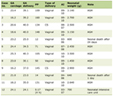 Click to view | Table 1. Summary of Key Studies on Naltrexone in Addiction Treatment |
| Off-Label Naltrexone Usage for MS | ▴Top |
Recently, LDN has gained popularity among some patients and practitioners as an off-label treatment for MS—an inflammatory, demyelinating condition—based on a few small, randomized studies [33, 34]. Several small studies have investigated LDN in MS, with some reporting improvements in selected symptoms or quality-of-life measures. However, the available clinical evidence remains limited, and these findings do not establish LDN as an effective disease-modifying treatment for MS [34]. Further, naltrexone’s anti-inflammatory mechanisms also provide some evidence for the likelihood of the drug’s effectiveness in treating dry eye and improving corneal complications in those with diabetes [35].
| Naltrexone Use During Pregnancy for OUD | ▴Top |
OUD is linked to increased maternal and neonatal complications. However, there is currently no medication that has been approved by the FDA for OUD treatment during pregnancy. While treatment with methadone and buprenorphine has been used in previous studies, the risks are unknown. There is some interest in the potential use for naltrexone in this population, but there is limited information available regarding naltrexone’s safety and efficacy [12].
An Australian study analyzed naltrexone as an alternative treatment to methadone or buprenorphine in order to enhance the response of treatment in opioid-dependent pregnant women. This study compared the three drugs’ effects on neonates of opioid-dependent women. Compared to methadone-exposed neonates (n = 199), birth characteristics of naltrexone-exposed neonates (n = 68) were significantly superior including infant size, duration of hospital stay (5.5 vs. 11.3 days), and the rate of neonatal abstinence syndrome (NAS) (7.5% vs. 51.5%). While naltrexone-exposed neonates were not significantly different from buprenorphine-exposed neonates (n = 124), they did have significantly lower rates of NAS (7.5% vs. 41.8%) and shorter hospital stays (5.5 vs. 8.0 days).
The conclusions drawn indicate that naltrexone is not associated with negative birth outcomes in neonates when compared to buprenorphine or methadone, although neonates were significantly smaller, had an increased length of hospital stay, and had higher rates of NAS when compared to the control group. Neither naltrexone nor buprenorphine were linked to high rates of neonatal mortality or congenital anomalies that were apparent in the methadone-exposed neonates [36]. Due to the fact that naltrexone use requires an opioid-free period and detoxification, it is not considered a first-line treatment in OUD in pregnancy due to risk of relapse. That being said, more research is required to make a determination regarding the safety and efficacy of naltrexone use with pregnant women [12].
| Association of Naltrexone With Genetic Polymorphisms | ▴Top |
Genetic variation in the µ-opioid receptor gene, OPRM1, may influence an individual’s response to naltrexone therapy. Specifically, the A118G polymorphism has been associated with enhanced therapeutic response to naltrexone in patients with alcohol use disorder. A meta-analysis by Antonio-Javier Chamorro and colleagues found that individuals carrying at least one G allele demonstrated lower relapse rates following naltrexone treatment compared with individuals homozygous for the A allele [37]. These findings suggest that the G allele may serve as a potential genetic marker for improved response to naltrexone therapy.
Another study identified a family history of alcohol use disorder and the presence of the µ-opioid receptor gene (OPRM1) A118G polymorphism as potential predictors of improved therapeutic response to naltrexone in patients with alcohol use disorder. Other markers with more moderate substantiation consisted of the male sex, pre-treatment drinking, and excessive craving [38]. Although these pharmacogenetic findings suggest that OPRM1 variation may influence response to naltrexone in some patients with alcohol use disorder, the available evidence is not sufficient to recommend routine genetic testing before naltrexone treatment. Further research is needed to identify and validate additional genetic markers that may predict response to naltrexone and to determine whether such markers have clinical utility across other conditions treated with naltrexone.
| Quality of Life | ▴Top |
According to one article, naltrexone may have a favorable effect on one’s overall quality of life. In this paper, naltrexone is claimed to be a possible medication for the treatment of various bodily disorders and for disease prevention. A previous review has proposed that LDN may influence endogenous opioid signaling and potentially affect stress resilience and emotional well-being. However, these proposed effects remain preliminary and require confirmation in well-controlled clinical studies [39]. While there is evidence to suggest that these propitious ramifications are ascribable to naltrexone therapy, not enough research is available to declare naltrexone to be a panacea.
Several clinical trials have evaluated the efficacy of naltrexone in the treatment of substance use disorders and behavioral addictions.
| Conclusion | ▴Top |
Based on the available literature, naltrexone has a high potential for symptom reduction and the treatment of a vast number of conditions, as discussed above. Regular doses have proven to be effective for addiction and behavioral disorders, while LDN appears to be useful for a wide range of psychiatric, inflammatory, dermatologic, and autoimmune diseases. Genetic markers for naltrexone and naltrexone-induced responses as markers themselves have been identified, and naltrexone has also found a niche in co-occurring and comorbid disorders.
While there seem to be many claims pertaining to the possibility of naltrexone’s use in ameliorating these various conditions, there is unfortunately not enough supportive/robust evidence to substantiate most of these proposed applications. Naltrexone may have diverse applications in medicinal therapy; it has a variety of therapeutic effects which have yet to be explored. Extensive long-term studies/clinical trials are needed to better understand the role of naltrexone in terms of its proper dosage and guidelines of utilization across a multitude of medical and psychiatric conditions.
Future research should focus on large-scale, randomized controlled trials and long-term clinical studies to better define the efficacy, safety, optimal dosing strategies, and mechanisms of action of both standard-dose and low-dose naltrexone. In addition, further investigation into pharmacogenetic predictors of treatment response, long-term outcomes, and standardized clinical guidelines will be essential to establish the role of naltrexone across a broader spectrum of medical and psychiatric disorders.
Acknowledgments
The authors would like to thank Paras Chand and Shivam Chand for their assistance with proofreading the manuscript and conducting the literature search.
Financial Disclosure
This research received no external funding.
Conflict of Interest
The authors declare no conflict of interest.
Author Contributions
Dr. Kumari was involved in study planning, literature review, data collection, data analysis, and manuscript preparation. Ms. Batheja, Dr. Malik, Dr. Manalai, Dr. Abdullah, Dr. Hugo, Mr. Zahid, and Ms. Ofori contributed to the literature review, data analysis, and critical review and editing of the manuscript. All authors read and approved the final manuscript.
Data Availability
The authors declare that the data supporting the findings of this study are available within the article.
| References | ▴Top |
- Krupitsky E, Zvartau E, Woody G. Use of naltrexone to treat opioid addiction in a country in which methadone and buprenorphine are not available. Curr Psychiatry Rep. 2010;12(5):448-453.
doi pubmed - Ibrahim O, Hogan SR, Vij A, Fernandez AP. Low-dose naltrexone treatment of familial benign pemphigus (Hailey-Hailey Disease). JAMA Dermatol. 2017;153(10):1015-1017.
doi pubmed - Toljan K, Vrooman B. Low-Dose Naltrexone (LDN)-review of therapeutic utilization. Med Sci (Basel). 2018;6(4):42.
doi pubmed - Sikora M, Rakowska A, Olszewska M, Rudnicka L. The use of naltrexone in dermatology. Current evidence and future directions. Curr Drug Targets. 2019;20(10):1058-1067.
doi pubmed - Lee B, Elston DM. The uses of naltrexone in dermatologic conditions. J Am Acad Dermatol. 2019;80(6):1746-1752.
doi pubmed - Ekelem C, Juhasz M, Khera P, Mesinkovska NA. Utility of Naltrexone Treatment for Chronic Inflammatory Dermatologic Conditions: A Systematic Review. JAMA Dermatol. 2019;155(2):229-236.
doi pubmed - Jaros J, Lio P. Low dose naltrexone in dermatology. J Drugs Dermatol. 2019;18(3):235-238.
pubmed - Younger J, Parkitny L, McLain D. The use of low-dose naltrexone (LDN) as a novel anti-inflammatory treatment for chronic pain. Clin Rheumatol. 2014;33(4):451-459.
doi pubmed - Vatvani AD, Patel P, Hariyanto TI, Yanto TA. Efficacy and safety of low-dose naltrexone for the management of fibromyalgia: a systematic review and meta-analysis of randomized controlled trials with trial sequential analysis. Korean J Pain. 2024;37(4):367-378.
doi pubmed - Ologunowa A, Otoo MN, Caffrey AR, Buchanan A, Eze UJ, Vyas A. Efficacy of low-dose naltrexone in treating patients with fibromyalgia: systematic review and meta-analysis. J Pain Palliat Care Pharmacother. 2025;39(3):363-373.
doi pubmed - Hendershot CS, Wardell JD, Samokhvalov AV, Rehm J. Effects of naltrexone on alcohol self-administration and craving: meta-analysis of human laboratory studies. Addict Biol. 2017;22(6):1515-1527.
doi pubmed - Tran TH, Griffin BL, Stone RH, Vest KM, Todd TJ. Methadone, buprenorphine, and naltrexone for the treatment of opioid use disorder in pregnant women. Pharmacotherapy. 2017;37(7):824-839.
doi pubmed - Klein AA, Seppala MD. Medication-assisted treatment for opioid use disorder within a 12-step based treatment center: Feasibility and initial results. J Subst Abuse Treat. 2019;104:51-63.
doi pubmed - Mannelli P, Patkar AA, Peindl K, Gorelick DA, Wu LT, Gottheil E. Very low dose naltrexone addition in opioid detoxification: a randomized, controlled trial. Addict Biol. 2009;14(2):204-213.
doi pubmed - Shufman EN, Porat S, Witztum E, Gandacu D, Bar-Hamburger R, Ginath Y. The efficacy of naltrexone in preventing reabuse of heroin after detoxification. Biol Psychiatry. 1994;35(12):935-945.
doi pubmed - Elmosalamy A, Sirohi A, Moustafa A, Masoud O, Hassett LC, Kolla BP, Singh B. Extended-release naltrexone versus oral naltrexone for substance use disorders: A systematic review and meta-analysis. Drug Alcohol Depend. 2025;274:112789.
doi pubmed - Substance abuse and mental health services administration & national institute on alcohol abuse and alcoholism. Medication for the treatment of alcohol use disorder: A brief guide. HHS Publication No. (SMA) 15-4907. Rockville, MD: Substance Abuse and Mental Health Services Administration. 2015.
- Volpicelli JR, Alterman AI, Hayashida M, O'Brien CP. Naltrexone in the treatment of alcohol dependence. Arch Gen Psychiatry. 1992;49(11):876-880.
doi pubmed - O'Malley SS, Jaffe AJ, Chang G, Schottenfeld RS, Meyer RE, Rounsaville B. Naltrexone and coping skills therapy for alcohol dependence. A controlled study. Arch Gen Psychiatry. 1992;49(11):881-887.
doi pubmed - O'Malley SS, Jaffe AJ, Chang G, Rode S, Schottenfeld R, Meyer RE, Rounsaville B. Six-month follow-up of naltrexone and psychotherapy for alcohol dependence. Arch Gen Psychiatry. 1996;53(3):217-224.
doi pubmed - Anton RF, O'Malley SS, Ciraulo DA, Cisler RA, Couper D, Donovan DM, Gastfriend DR, et al. Combined pharmacotherapies and behavioral interventions for alcohol dependence: the COMBINE study: a randomized controlled trial. JAMA. 2006;295(17):2003-2017.
doi pubmed - Foa EB, Yusko DA, McLean CP, Suvak MK, Bux DA, Jr., Oslin D, O'Brien CP, et al. Concurrent naltrexone and prolonged exposure therapy for patients with comorbid alcohol dependence and PTSD: a randomized clinical trial. JAMA. 2013;310(5):488-495.
doi pubmed - Nunez NA, Ali HM, Hassett L, Singh B. Comparative effectiveness of naltrexone formulations in alcohol use disorder: an updated meta-analysis. Psychopharmacol Bull. 2026;56(2):130-148.
doi pubmed - Bostwick JM, Bucci JA. Internet sex addiction treated with naltrexone. Mayo Clin Proc. 2008;83(2):226-230.
doi pubmed - Kim SW, Grant JE, Adson DE, Shin YC. Double-blind naltrexone and placebo comparison study in the treatment of pathological gambling. Biol Psychiatry. 2001;49(11):914-921.
doi pubmed - Ioannidis K, Del Giovane C, Tzagarakis C, Solly JE, Westwood SJ, Parlatini V, Bowden-Jones H, et al. Pharmacological management of gambling disorder: A systematic review and network meta-analysis. Compr Psychiatry. 2025;137:152566.
doi pubmed - Schmitz JM, Stotts AL, Rhoades HM, Grabowski J. Naltrexone and relapse prevention treatment for cocaine-dependent patients. Addict Behav. 2001;26(2):167-180.
doi pubmed - Haney M, Ramesh D, Glass A, Pavlicova M, Bedi G, Cooper ZD. Naltrexone maintenance decreases cannabis self-administration and subjective effects in daily cannabis smokers. Neuropsychopharmacology. 2015;40(11):2489-2498.
doi pubmed - Jonas JM, Gold MS. The use of opiate antagonists in treating bulimia: a study of low-dose versus high-dose naltrexone. Psychiatry Res. 1988;24(2):195-199.
doi pubmed - Carbone EA, Caroleo M, Rania M, Calabro G, Staltari FA, de Filippis R, Aloi M, et al. An open-label trial on the efficacy and tolerability of naltrexone/bupropion SR for treating altered eating behaviours and weight loss in binge eating disorder. Eat Weight Disord. 2021;26(3):779-788.
doi pubmed - Simeon D, Knutelska M. An open trial of naltrexone in the treatment of depersonalization disorder. J Clin Psychopharmacol. 2005;25(3):267-270.
doi pubmed - Petrakis IL, O'Malley S, Rounsaville B, Poling J, McHugh-Strong C, Krystal JH, VA Naltrexone Study Collaboration Group. Naltrexone augmentation of neuroleptic treatment in alcohol abusing patients with schizophrenia. Psychopharmacology (Berl). 2004;172(3):291-297.
doi pubmed - Raknes G, Smabrekke L. Low dose naltrexone in multiple sclerosis: Effects on medication use. A quasi-experimental study. PLoS One. 2017;12(11):e0187423.
doi pubmed - Patten DK, Schultz BG, Berlau DJ. The safety and efficacy of low-dose naltrexone in the management of chronic pain and inflammation in multiple sclerosis, fibromyalgia, Crohn's disease, and other chronic pain disorders. Pharmacotherapy. 2018;38(3):382-389.
doi pubmed - McLaughlin PJ, Sassani JW, Zagon IS. Naltrexone as a Novel Therapeutic for Diabetic Corneal Complications. J Cell Immunol. 2020;2(2):42-46.
doi pubmed - Kelty E, Hulse G. A retrospective cohort study of birth outcomes in neonates exposed to naltrexone in utero: a comparison with methadone-, buprenorphine- and non-opioid-exposed neonates. Drugs. 2017;77(11):1211-1219.
doi pubmed - Chamorro AJ, Marcos M, Miron-Canelo JA, Pastor I, Gonzalez-Sarmiento R, Laso FJ. Association of micro-opioid receptor (OPRM1) gene polymorphism with response to naltrexone in alcohol dependence: a systematic review and meta-analysis. Addict Biol. 2012;17(3):505-512.
doi pubmed - Garbutt JC, Greenblatt AM, West SL, Morgan LC, Kampov-Polevoy A, Jordan HS, Bobashev GV. Clinical and biological moderators of response to naltrexone in alcohol dependence: a systematic review of the evidence. Addiction. 2014;109(8):1274-1284.
doi pubmed - Brown N, Panksepp J. Low-dose naltrexone for disease prevention and quality of life. Med Hypotheses. 2009;72(3):333-337.
doi pubmed
This article is distributed under the terms of the Creative Commons Attribution 4.0 International License (CC BY 4.0), which permits unrestricted use, distribution, and reproduction in any medium, including commercial use, provided the original work is properly cited.
Current Psychiatry and Mental Health is published by Elmer Press Inc.